
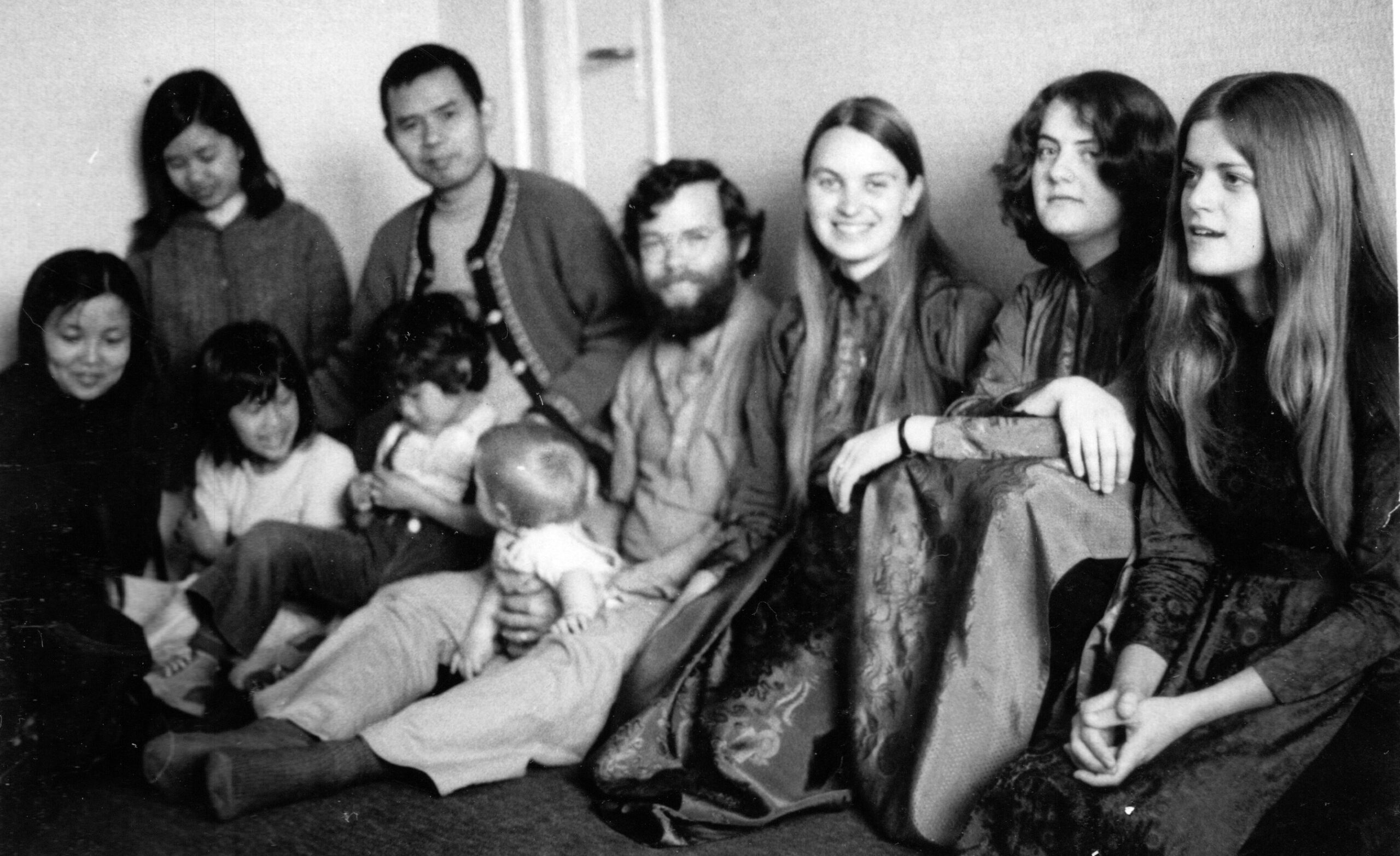
This blog was written by Laura Hassler, Director Musicians Without Borders
The war in Vietnam shaped my life.
With parents working for an international peace organization, we were always aware of the suffering of the world: as children, we joined demonstrations against nuclear armaments, remembered Hiroshima and Nagasaki, opposed the Cold War, celebrated the hard-won successes of the civil rights movement.
And then came Vietnam.
We saw it on TV. Every day the bombings, the destroyed villages, the reports of Vietnamese civilian deaths and US military deaths, the revelations of the horrors perpetrated by our own government, the deceits and cover-ups.
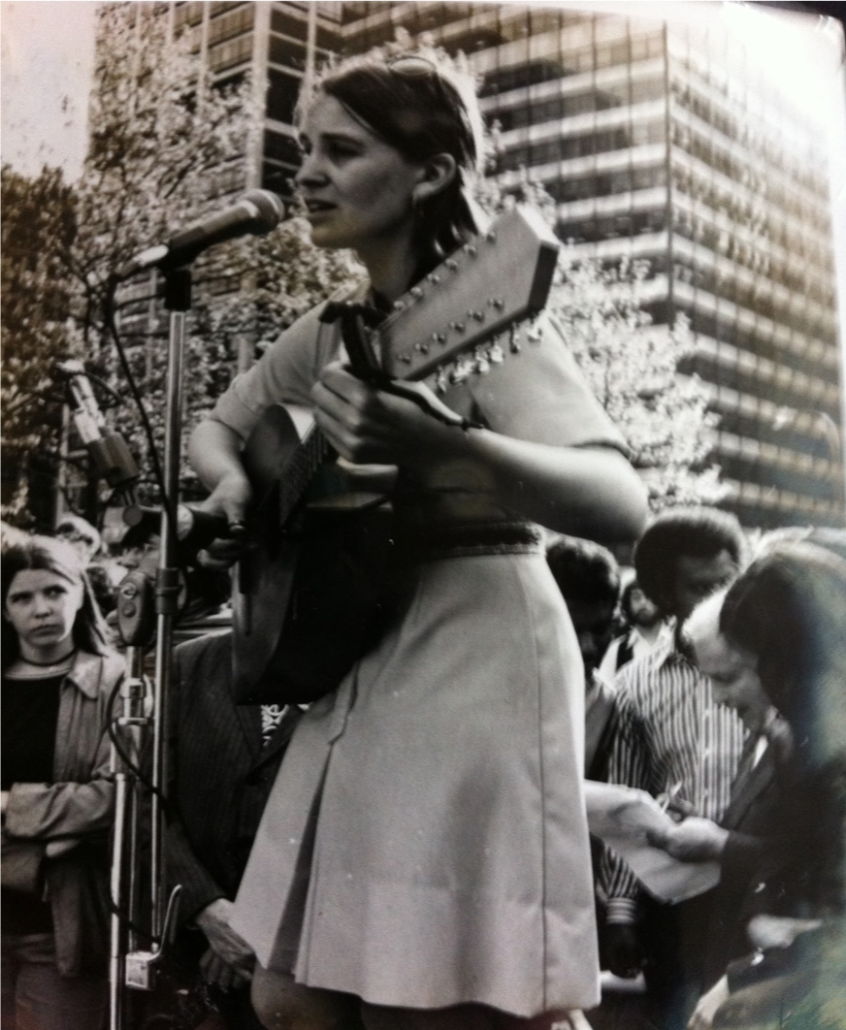
This was the main stream of my youth: joining mass demonstrations in New York and Washington, draft counseling on the streets of Philadelphia, singing at demonstrations in New York and DC, joining a Quaker campaign against chemical and biological weapons, getting arrested, spending a night in jail, working for a medical organization that treated war-injured Vietnamese children. And then going to Vietnam myself, on a “Buddhist spy mission,” persuading influential Vietnamese people to sign a call for a cease-fire. This was followed by a year in Paris, working for the Vietnamese Buddhist Peace Delegation, led by Thich Nhat Hanh, marrying someone who had done prison time for burning draft cards, raising money for war orphans, and publicity for political prisoners. A coming of age, and not yet 25 years old.
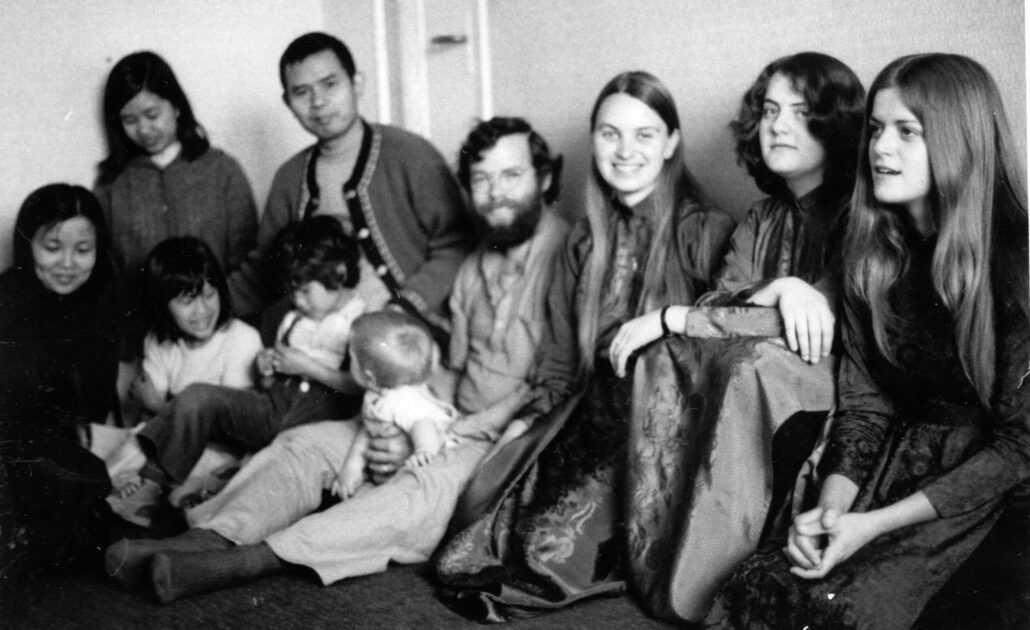
After that war, there were so many others. But the war-makers had learned from Vietnam. We didn’t see it any more on TV. Journalists were only allowed in when “embedded” in the military. Press was severely censored. There were no photos of bombed Afghan villages, Iraqi cities, the destruction of Libya. If we watched the news, we saw green lights flying through the air, not the people hit by the bullets, mortars and bombs, and only occasionally the victims of torture when photos or documents were leaked.
The Balkan wars came home to me sharply, because they happened so close by—by then, I was living in Europe—and because I loved the music of that region. That connection led to the founding of Musicians Without Borders , inspired by the idea that musicians could be change-makers, healers and reconcilers in the context of war and armed conflict. As passionate musicians and talented organizers joined, Musicians Without Borders would grow to become a leader in bringing the connecting power of music to war-affected regions across the globe.
And now Gaza.
There is something very much like Vietnam in this current genocide, a horrendous, colonial killing spree. I see photos of little Palestinian children, shot for fun by IDF soldiers or burned to death with white phosphorus bombs, and I remember that iconic photo of the little Vietnamese girl, her body on fire from napalm, running naked, screaming for help.
And I see the photos of Palestinian civilians buried under the rubble of bombed villages, bombed hospitals, bombed refugee camps, and I remember the photos from the Mi Lai massacre, the bodies of village people, shot dead for sport by American soldiers, lying in a ditch. Men, young women, old women, children. “And babies?” was the question. “And babies.”
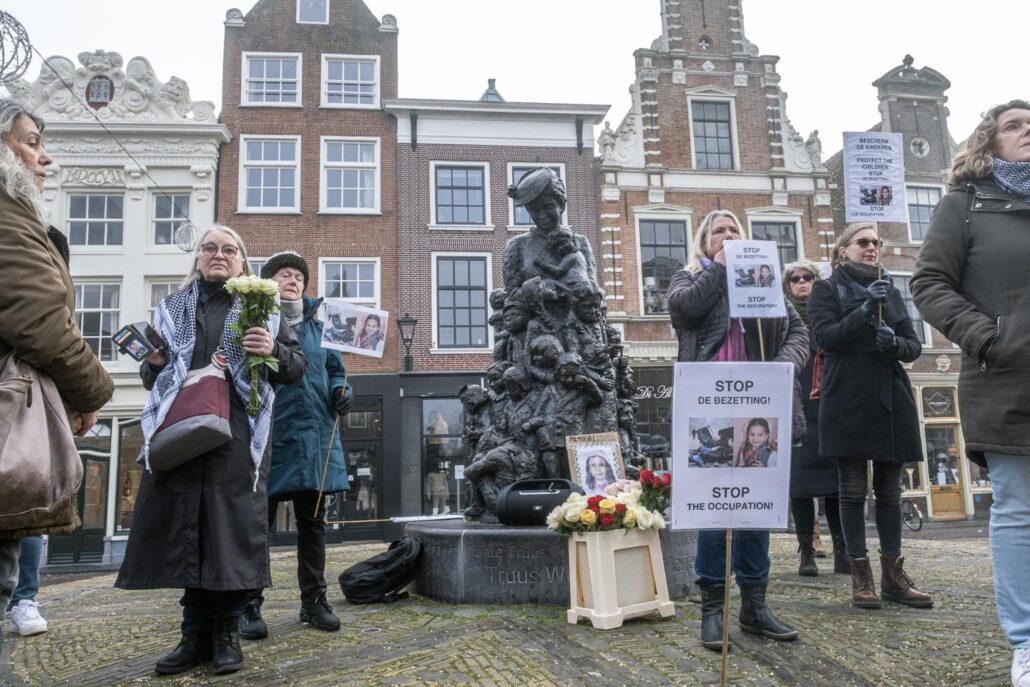
Against a world empire that knows only the language of brute military force, against the horrors of the deliberate killing of children, I have only one hope: that enough of us living in the guilty, complicit West will finally stand in solidarity with the Palestinian people and join the resistance to this horrendous slaughter. That enough of us will pour into the streets, block the arms shipments, find the courage to risk some of our own safety, stand up and say: “No. Not in our name.”
In the name of that little Vietnamese girl.
In the name of Hind Rajab.
In the name of the tens of thousands who have already died.
And especially in the name of those who still live, those who still have a chance at life. If we do not stand for them, the bullies of the world will note that they can do this again, wherever it suits them. And it will suit them, be sure of that.
If we give up on saving the innocents, we forfeit our humanity.
Don’t give up.